Tibet's economy depends largely on agriculture. Forests and grasslands occupy large parts of the country. The territory is rich in minerals, but poor transport links have limited their exploitation. Tourism is an important source of revenue.
Under international pressure, China eased its grip on Tibet in the 1980s, introducing "Open Door" reforms and boosting investment.
Tourism and Beijing's modernisation drive stand in contrast to Tibet's former isolation. But critics say Tibetans have little say in building their future.
Buddhism reached Tibet around 700AD. The Dalai Lama, or Ocean of Wisdom, is the leading spiritual figure; the Panchen Lama is the second most important figure. Both are seen as the reincarnations of their predecessors.
However, the Dalai Lama and Beijing have been at odds over the 11th incarnation of the Panchen Lama - identifying different youngsters for the role. The Dalai Lama's choice, Gedhun Choekyi Nyima, has not been seen since his detention by the Chinese authorities in 1995.
No country openly disputes China's claim to sovereignty, and China has blocked all UN Security Council resolutions on Tibet since the People's Republic took over the China seat in the UN in 1971.
The Tibetan cause has won the sympathy of individuals and groups, many of whom campaign for an independent Tibet to take shape.
Tibet
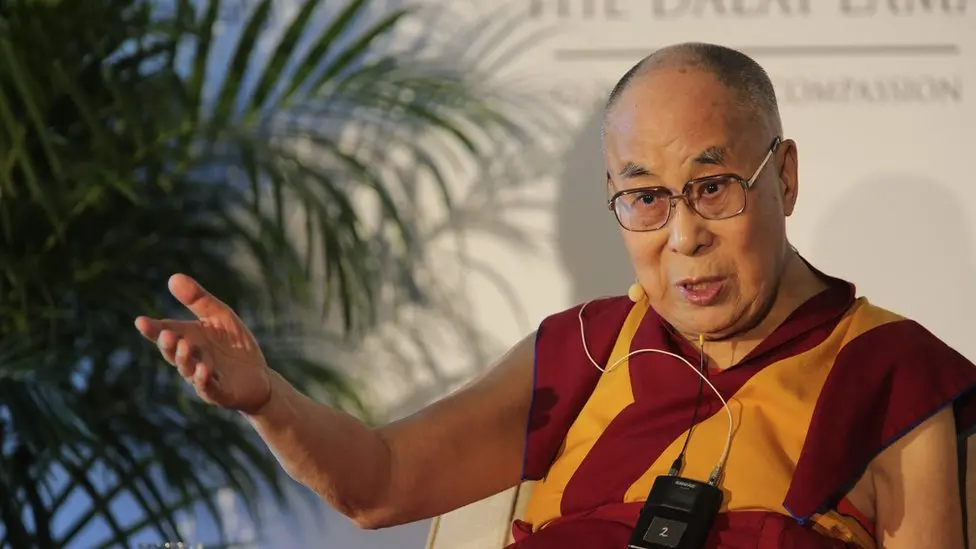
Many Tibetans see spiritual leader the Dalai Lama as a living god
No comments yet. Be the first to comment.